


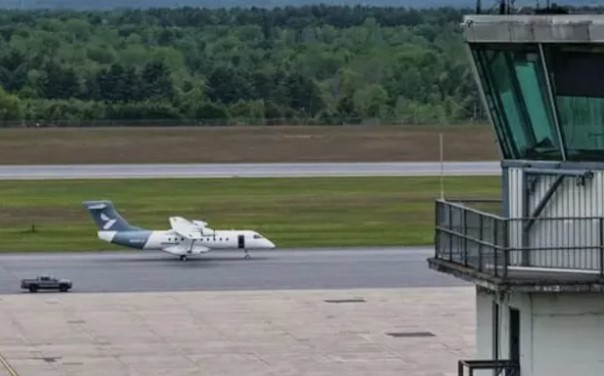
Heart Aerospace, has flown its full-scale electric aircraft, the X1, for the first time. The 27-minute flight used battery power alone and consumed around $5 (roughly Rs 500) worth of electricity.
Could a flight one day cost airlines less than a cup of coffee to power? That may sound far-fetched, but a recent test flight in the US has offered an interesting glimpse of what air travel could look like in the years ahead.
Heart Aerospace, a US-based aviation company, has flown its full-scale electric aircraft, the X1, for the first time. The 27-minute flight used battery power alone and consumed around $5 (roughly Rs 500) worth of electricity. The aircraft took off from a regional airport in upstate New York, climbed to about 1,100 feet (335 metres) and completed the test with just one pilot on board. There were no passengers.
The electric aircraft is the size of a small commercial plane
The X1 is not a tiny experimental aircraft. It has a wingspan of 106 feet, measures 76 feet from nose to tail and weighs more than 25,000 pounds, roughly the weight of an empty school bus.
Does a $5 flight mean cheaper air tickets?
Not quite.
The $5 figure refers only to the electricity consumed during the 27-minute demonstration flight. It does not include the many other costs involved in operating an aircraft, including pilot salaries, maintenance, airport charges, insurance, financing and battery replacement or degradation.
The bigger plan is a 30-seat hybrid aircraft
The X1 is being used to test technologies for Heart Aerospace's planned ES-30, a 30-seat hybrid-electric aircraft that the company hopes to bring into service by 2031.
Heart Aerospace expects the ES-30 to cut aircraft operating costs by more than 40% compared with conventional regional aircraft. The company attributes the projected savings to lower energy costs, reduced maintenance requirements and greater aircraft reliability. Airlines including United, Air Canada and JSX have already shown interest in the aircraft.
Will flying actually become cheaper?
Electric aircraft are unlikely to make air tickets dramatically cheaper overnight. Taxes, airport fees, staffing, aircraft financing and demand will continue to influence ticket prices.
But if the technology works as planned, regional routes could be where passengers may notice the difference first. Smaller aircraft that use less fuel or electricity and require less maintenance could make short-distance air services cheaper to operate.


comments


Other categories
Recent Comments