


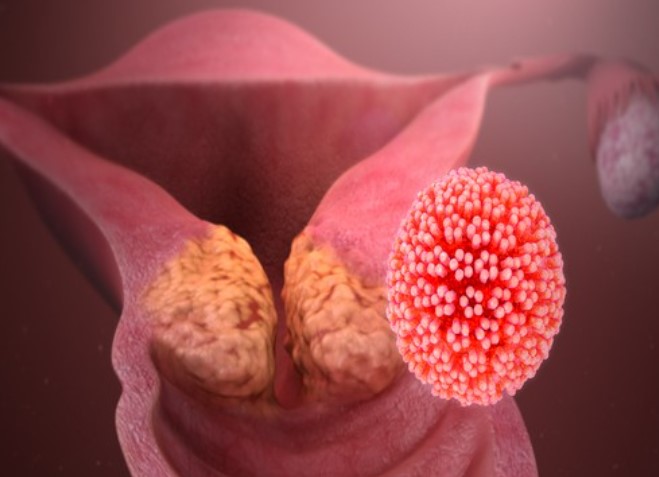
Cervical cancer is no longer limited to older women, with rising cases among Indians in their 20s and 30s highlighting urgent gaps in HPV awareness, vaccination, and screening
Cervical cancer is often seen as a disease that mainly affects older women. However, doctors across India are increasingly diagnosing young women with cervical cancer, sometimes in their 20s and early 30s. This trend is concerning, especially since cervical cancer is among the most preventable cancers when the right measures are taken early.
At the heart of this issue is a common virus called human papillomavirus (HPV).
HPV: Common, Often Harmless, But Not Always
Most people will encounter HPV at some point in their lives. In many cases, the body clears the virus on its own within one or two years without causing any issues. Most women never even realise they had it.
But sometimes, the virus lingers. If a woman contracts HPV when she is young and her body cannot fight it off, the virus can remain in the cervix for many years. This persistent infection can gradually damage cervical cells and eventually lead to cancer. This is why HPV is significant — not because it is rare, but because its persistence can quietly create serious problems.
Why Young Women Are at Higher Risk Today
Several factors are contributing to more cervical cancer cases in younger Indian women.First, early exposure to HPV is increasing. Changing social patterns, early marriages in some communities, and a lack of sexual health education mean many young women encounter HPV without knowing how it spreads or how to protect themselves.
Second, HPV vaccination is not yet widespread in India. The vaccine is most effective when given before exposure to the virus, ideally during adolescence. Although some states have initiated vaccination programs, many families remain unaware of the vaccine, have concerns about its safety, or lack access to it. Consequently, numerous young women stay unprotected during their most vulnerable years.
The Silent Nature of Cervical Cancer
One of the most dangerous aspects of cervical cancer is that it often shows no symptoms in the early stages. A young woman may feel perfectly healthy while changes are occurring in her cervix.
This makes screening essential. Unfortunately, screening rates among young women in India are very low. Many believe they only need a test if they have symptoms, are married, or have had children. Others may feel embarrassed or scared to undergo a gynecological exam. By the time symptoms like abnormal bleeding or pelvic pain appear, the disease may already be advanced.
Gaps in Awareness and Education
Another significant issue is the lack of awareness. Many young women do not understand:
- What HPV is
- How cervical cancer develops
- That cancer can occur even without symptoms
- That vaccination and screening can help prevent it
Sexual and reproductive health remains a delicate topic in many families and schools. As a result, young women often miss out on vital information that could help them protect themselves.
Social and Economic Challenges
For many women in India, particularly in rural and low-income areas, access to healthcare is limited. Early marriage, frequent pregnancies, poor nutrition, and anemia can weaken the immune system, making it harder for the body to fight off HPV infections.
Women may also postpone seeking medical help due to family responsibilities, financial issues, or a lack of control over their own health decisions.
Tobacco and Other Risk Factors
Tobacco use is another overlooked factor. Smoking or chewing tobacco raises the risk of cervical cancer by weakening local immunity in the cervix, allowing HPV to cause more damage. Alarmingly, tobacco use among young women is on the rise in some regions of the country.
Emotional and Life-Changing Impact
Cervical cancer in young women threatens not just lives — it disrupts futures. Treatment can affect fertility, sexual health, careers, and mental well-being. A cancer diagnosis at a young age can bring fear, stigma, and long-lasting emotional distress.
What Can Be Done Now
The encouraging news is that cervical cancer is largely preventable. To reverse this trend, India needs:
- Widespread HPV vaccination for adolescents
- Early and regular cervical screening
- Honest, age-appropriate sexual health education
- Community awareness to reduce fear and stigma
- Stronger primary healthcare outreach
A Final Word
HPV usually resolves on its own. But when it doesn’t — especially in young women whose bodies cannot combat it — the consequences can be life-altering. The rising number of cervical cancer cases among young Indian women signals a warning. Through awareness, vaccination, and early detection, this is a cancer we can prevent and lives we can protect.


comments


Other categories
Recent Comments